We’ve heard directly from educators and school leaders about what’s working — and where more support is needed. Over the past year, we’ve taken that feedback to heart, focusing on how to better support implementation, engagement, and connection across the Harmony experience.
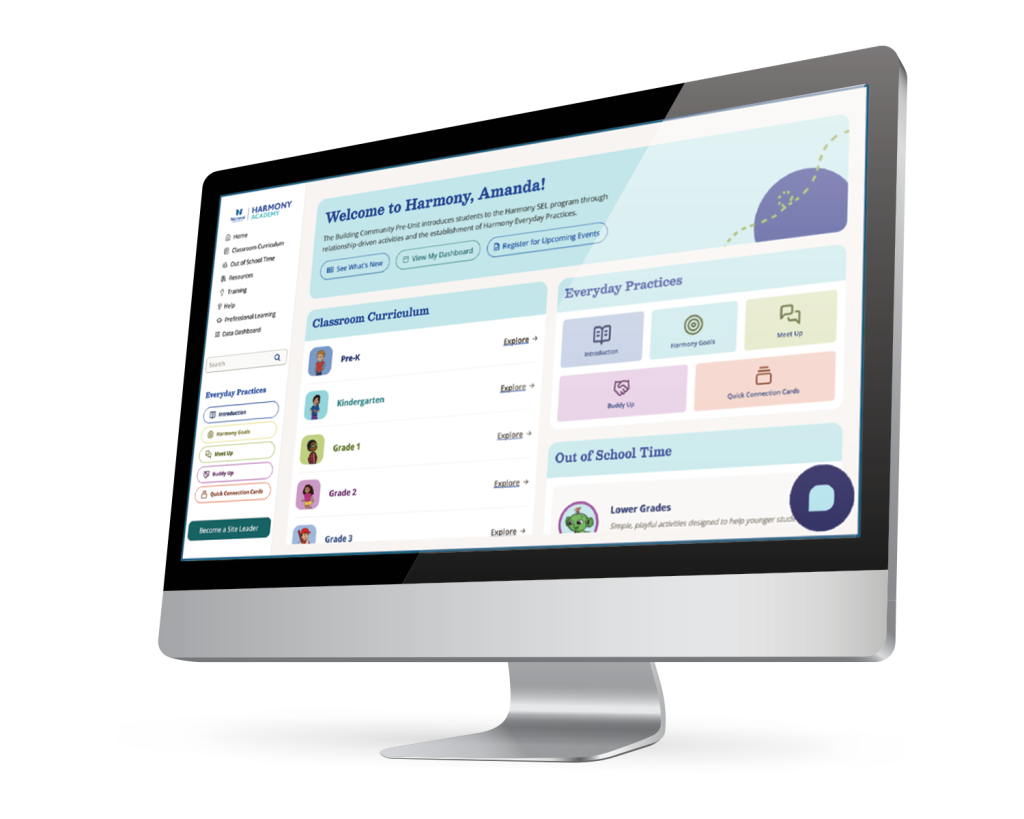
When you return for the 2026–2027 school year, you’ll find a refreshed Harmony digital experience designed to make implementation easier, engage students in new ways, and strengthen connections across all learning environments.
What to Expect Next Fall
Simplified Educator Experience
Tools that make it easier to plan, teach, and implement every day:
Streamlined look and navigation
Enhanced search functionality & chatbot support
Interactive Everyday Practice tools
User‑curated resource libraries
Academic integration resources
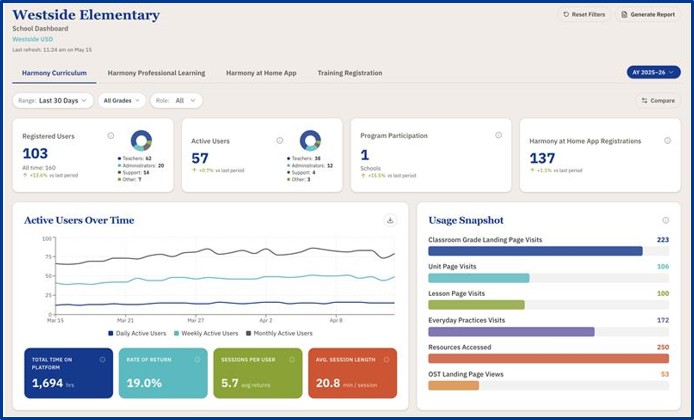
Stronger Insights to Support Implementation
Clear visibility into how Harmony is being used and experienced:
Individual and schoolwide usage insights
Progress and engagement tracking
Role-based dashboards for school and district leaders
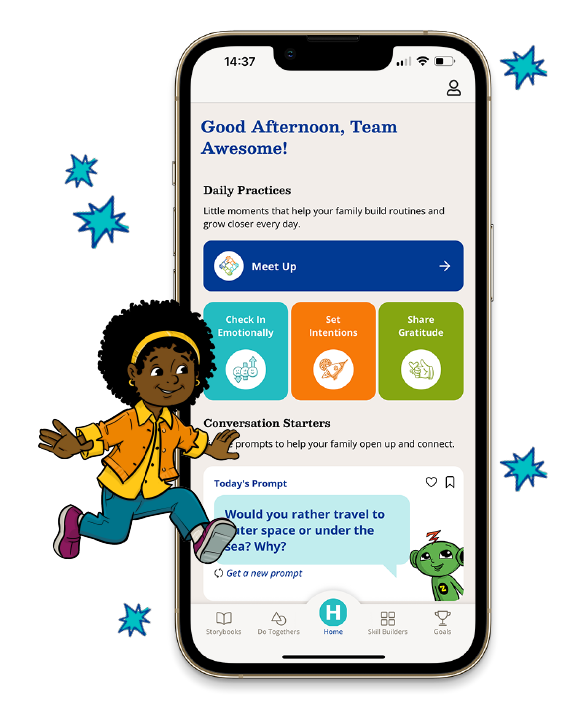
Expanded Support Beyond the Classroom
Resources that extend connection and learning across the broader community:
Harmony at Home App access for families
Harmony Connect educator community
Optional Professional Services
Designed with Educators, for Educators
This refreshed Harmony digital experience was designed to support what matters most — making it even easier to build strong, healthy relationships with students as a natural part of everyday teaching.
Note: Access to specific features will vary based on your Harmony license, including Harmony Plus, but all users will benefit from an improved digital experience.
Looking Ahead
This launch is just the beginning. We’ll be sharing additional previews, feature highlights, and rollout details throughout the summer as we get ready for back to school.
We’re excited for what’s ahead — and grateful to continue partnering with you to support students, educators, and communities in building stronger connections every day.
Beyond “Nice to Have”: The Science of Belonging as a Fundamental Need for Success
Beyond “Nice to Have”: The Science of Belonging as a Fundamental Need for Success
by Terrell Lamont Strayhorn, Ph.D., and Sarah Caverly, Ph.D.
In the ever-evolving contexts of education and today’s workplace, we often obsess over metrics. We track grades, graduation rates, quarterly earnings, and productivity hours with a fervor that suggests these numbers tell the whole story of human success. Success, however, is rarely the result of aptitude or efficiency alone; it is deeply rooted in a far more primal, essential necessity — the universal need to belong. We often underestimate the importance of a sense of belonging. Sense of belonging is defined as a basic need, a human right, a fundamental motive sufficient to drive human behavior, as vital to our survival as air, water, food, shelter, and sleep (Strayhorn, 2019).
It is not merely a “soft skill” or a warm-and-fuzzy feeling to be fostered after the real work is done; rather, it is the very conditions that make the “real work” possible. When we unpack the factors that comprise academic persistence, employee retention, and mental well-being, we find that one’s desire to feel connected, respected, and valued is the engine driving the machine.
True belonging is being accepted and valued for who you are, authentically and unapologetically.
What Belonging Is — and What It Is Not
To understand the power of belonging, we must first clarify what it means, as the term is often conflated with other concepts, such as community and engagement, to name a few. Belonging is not the same as “fitting in.” Fitting in implies a chameleon-like adaptability where one changes who they are to be accepted by the crowd; true belonging is being accepted and valued for who you are, authentically and unapologetically.
Belonging exists when you matter not because you assimilate, but because you are a distinctive, indispensable member of the community. According to research, some of which is my own, sense of belonging refers to a student’s or employee’s perceived social support, a feeling of connectedness, and the experience of mattering — feeling cared about, accepted, respected, valued by and important to the group. The group, in turn, depends on the individual for what they bring and who they are (Strayhorn, 2019).
This interdependence is crucial because belonging is inherently relational. It is not a fixed trait that you simply have or do not have; it’s a dynamic state that changes based on context, time, and circumstances (Strayhorn, 2026). It relies on what I call relational consistency — the reliable, recurring, purposeful interactions that provide evidence that one matters to the people around them. Approaches like those offered by Harmony Academy emphasize everyday interactions and routines that allow belonging to be reinforced consistently, even as students, classrooms, and contexts change. Whether in a classroom or a boardroom, individuals are constantly scanning their environment for cues of safety, security, and acceptance (hereafter in this series ‘identity safety cues’). Acceptance, once perceived, frees the mind to focus on higher-order tasks like self-reflection, creative exploration, intellectual risk-taking, and ethical reasoning.
The Profound Impact of Belonging: The Evidence
When the need to belong is met, the results are transformative across every dimension of human development. Scholars have demonstrated that human development, particularly in educational and professional settings, can be hindered when individuals feel invisible or isolated; however, it flourishes when they feel cared for, connected, safe, and secure, both physically and psychologically. For students, a strong sense of belonging is linked to better academic performance, increased persistence, a stronger sense of self, and higher self-efficacy. For educators, belonging reduces stress and is associated with greater productivity and retention (Strayhorn, 2010; 2025).
Building Belonging: From Theory to Practice
If belonging is the goal, how do we build it? We must move beyond passive platitudes to conscious construction. Construction of belonging-rich environments requires intentionality in our policies, practices, and everyday interactions.
In the Classroom and On Campus. For students, belonging is often fostered in the “small moments” of relational consistency. It is the teacher who learns names and pronounces them correctly. It is the syllabus that includes culturally-relevant scholars, signaling to students from all backgrounds that they have a place in the intellectual lineage of the field. It is also the presence of intentional, recurring practices such as those embedded in the Harmony Curriculum that create predictable opportunities for students to be seen, heard, and valued. Alongside high-impact practices like honors seminars, undergraduate research, service learning, and living-learning communities that structure social interaction around shared academic interests, these everyday moments become the glue of community.
Furthermore, we must help students develop navigational capacity — the skills and know-how to maneuver through complex institutional structures that were often not built for them. This involves clear access to advising that anticipates student needs rather than waiting for students to fail. Schools and districts can create visible, student-friendly systems such as “Where Do I Go?” hubs, designated staff points-of-contact, or simple digital help desks where students and families can quickly get answers about schedules, assignments, transportation, or resources. When students know where to turn and feel that the institution is actively trying to help them succeed, they are apt to feel like they belong.
In the Workplace. For employees, belonging begins with onboarding processes that do more than check boxes; they must connect new hires to the culture and people of the organization. Workplaces should facilitate ‘near peer’ mentorship and sponsorship opportunities, ensuring that everyone has a guide to help them navigate the professional landscape. That’s made easier when staff are recognized not just for their labor, but for their unique contributions — what psychologists call “ego-extension,” or the feeling that others share in your success (and frustration), and that your work represents the group.
Moving Beyond Deficit Framing: The Asset-Based Approach
To truly foster belonging, we must fundamentally shift our mindset regarding the people we serve. We serve best when we reject the “deficit model” that views students or employees as problems to be fixed. Fixed mindsets lead us to label students as “at-risk” and employees as “low performers” or “difficult,” labels that pathologize their backgrounds and ignore the systemic barriers they face.
Instead, we must adopt a strengths-based lens that views students and staff as “at-promise.” When we validate students or personnel — when we explicitly tell them, “You belong here, and you have what it takes” — we activate their resilience and grit. Grit, however, is not just about individual perseverance; it is about the environment providing the soil in which that perseverance can take root (Strayhorn, 2014). By focusing on assets rather than deficits, we signal that culture, identity, and language are not challenges to be managed, but resources to be celebrated and leveraged toward human success.
A Call to Action
The work of building belonging is never finished; it must be continually satisfied because circumstances and contexts change (Strayhorn, 2019). Change is the only constant in education and the workforce, and as we face new challenges, we must recommit to the human needs of our communities.
As we go into this series, here’s a set of questions and recommendations for those who lead, teach, and serve:
For Educators: Are you relying on “transactional” interactions that focus only on the task at hand, or are you building relational consistency by showing authentic care? Ask yourself: Do my students and staff know that I believe in them and their ability to grow?
For Community Leaders: How are you signaling to the most vulnerable among the community that they are indispensable to the whole? Are your spaces physically and psychologically safe for everyone, or do they only serve the majority?
For Families: How can you support the navigational capacity of your children by helping them affirm their sources of strength, and how do you co-engage with schools to support learning and development?
For Policymakers: Are your metrics of success limited to test scores and earnings, or do they account for the human need to belong? Are you funding the support structures — like counseling centers, gathering hubs, accommodations, and need-based aid — that make belonging possible?
For Organizations: Do you view belonging as a “pie in the sky” bonus, or as a strategic imperative for retention and innovation? Are you creating pathways for every employee to feel they matter?
Building belonging at scale requires both individual commitment and shared structures. When educators and organizations pair intentional mindsets with consistent, research-aligned practices, such as those reflected in the Harmony Curriculum, belonging moves from an aspiration to activation, from a magical moment to a daily lived experience.
Belonging is the thread that weaves our individual striving into a collective story of success. Success is within reach, but only if we ensure that every person who walks through our doors knows, without a shadow of a doubt: You matter. You are enough. You belong here. Just the way you are.
References
Strayhorn, T. L. (2014). What role does grit play in the academic success of black male collegians at predominantly white institutions? Journal of African American Studies, 18(1), 1–10. https://doi.org/10.1007/s12111-012-9243-0
Strayhorn, T. L. (2019). College students’ sense of belonging: A key to educational success for all students (2nd ed.). Routledge.
Strayhorn, T. L. (2026). Students’ sense of belonging and involvement in college: Key insights from research for practice. Bloomsbury.
Integrate Belonging Into Summer Learning With Harmony!
Summer learning offers an opportunity to do more than keep students engaged. It’s also a chance to create learning environments where every student feels accepted, valued, and connected to their peers and teachers — the very definition of belonging within a school community.
Belonging research shows that students who feel a strong sense of belonging are more likely to participate, take academic and social risks, and persevere through challenges (Walton & Cohen, 2007). As a result, their learning and achievement outcomes improve (Fisher et al., 2025)!
Intentionally creating learning spaces where students feel they belong not only ensures they experience an enriching summer of learning, but can also inspire them to carry that momentum into the new school year.
The Harmony Curriculum Summer Implementation Guide is your map for building that sense of belonging from day one. This guide centers the three main elements of Harmony Curriculum Everyday Practices — Harmony Goals, Meet Up, and Buddy Up — as well as the mini lessons.
The turnkey lessons provide step-by-step instructions and scripting to easily incorporate belonging practices into your summer school curriculum. You will be equipped to foster harmonious student relationships that strengthen their sense of community and drive meaningful learning outcomes.
Why Use Harmony This Summer?
Foster Belonging: Build community with students from day one using relationship-focused practices.
Promote Collaboration: Help students work better together through structured, engaging peer interactions.
Support Educator Wellness: Join our June and July live online training sessions for teacher self-care and well-being.
Walton, G. M., & Cohen, G. L. (2007). A question of belonging: Race, social fit, and achievement. Journal of Personality and Social Psychology, 92(1), 82–96. https://doi.org/10.1037/0022-3514.92.1.82
Originally published 05/14/2025. Update on 05/14/2026
Students Share the Small Ways Teachers Build Belonging
Students Share the Small Ways Teachers Build Belonging
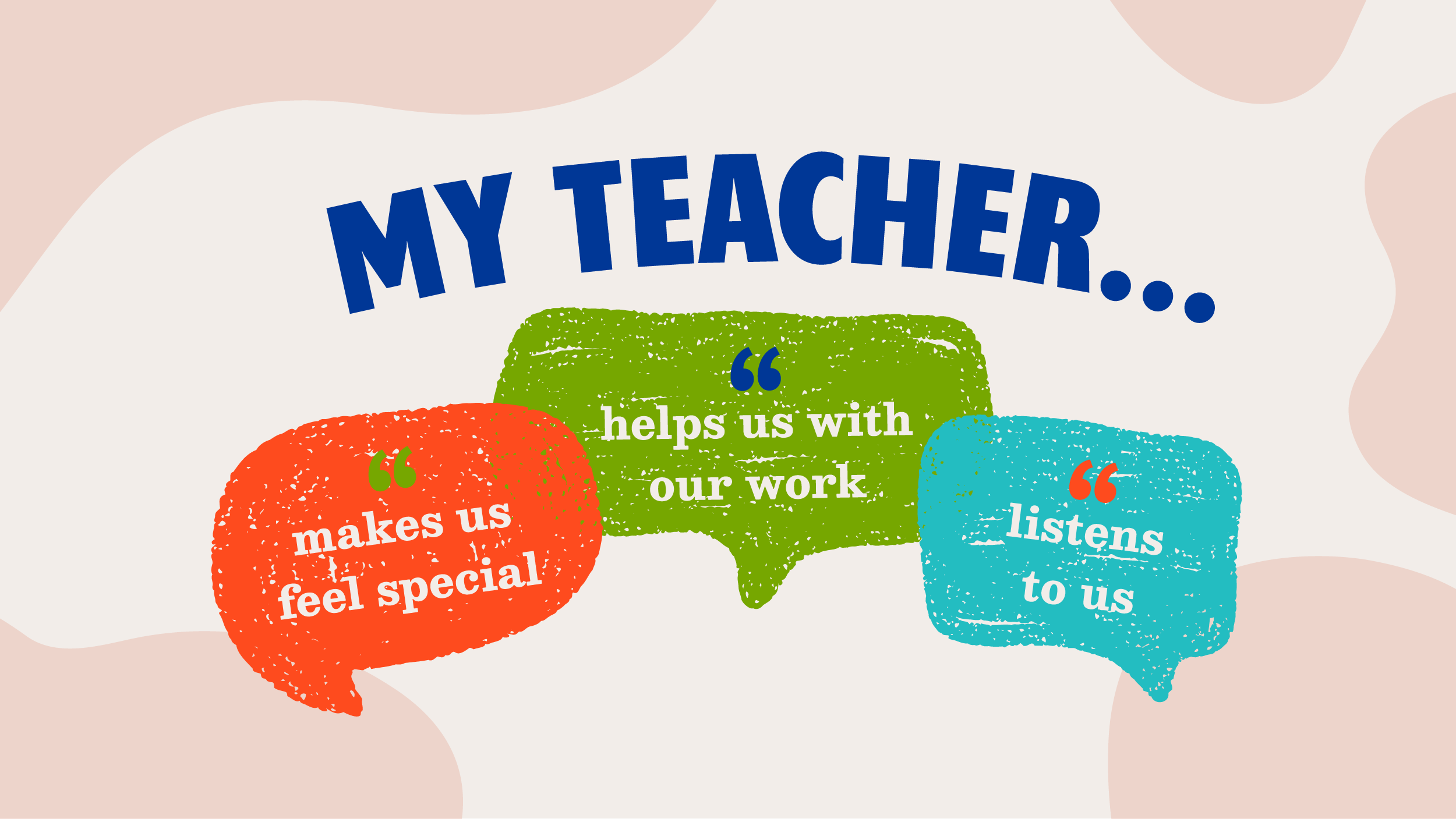
In Honor of Teacher Appreciation Month, we want to recognize the amazing educators who build belonging in classrooms every day. Teachers have a remarkable superpower: helping every student feel seen, valued, and like they belong in their learning communities.
How do we know that? Because their students told us!
We reached out to teachers across the country to ask their students: What does your teacher do to make sure all students feel like they belong in your classroom?
Here are their heartfelt responses:
“She helps us when we struggle.” – Leo C., 3rd grade
“She calls on us when we raise our hand.” – Una D., 3rd grade
“She makes us feel special. It’s her superpower!” – Owen K., 3rd grade
“She lets me and my friends help out, and gives new opportunities to be helpful.” – Myra K., 3rd grade
“When we need help, she comes to help us.” – Caroline M., 3rd grade
“We talk a lot, and what she says makes my insides feel warm and toasty.” – Zara O., 1st grade
“My teacher shows interest in what we do outside of school.” – Parker S., 1st grade
“My teacher gives us opportunities to show our personality.” – Liam T., 2nd grade
“My teachers smile and greet us.” – Vanessa M., 7th grade
“She is nice, she listens to us, we trust her, and I never want to go to 2nd grade.” – Jaycee D., 1st grade
“My teacher helps us with our work. She is nice, and everybody loves her, especially me.” – A’amoni H., 1st grade
“My teacher makes everyone in my classroom feel like they belong because she always asks if you feel down when you cry and she checks up on you.” – Gunner A., 4th Grade
“Every day Ms. Ahn helps the classroom and she is very funny. She picks the people with low points! She always treats us the same and always talks about what we should do. This tells me she is a good teacher and makes me feel like I belong.” – Anna G., 4th Grade
“My teacher has a special way of making everyone feel like they truly belong. When someone gets a problem wrong, he never makes them feel bad. He helps them understand where they went wrong, helps them fix it, and gives them the chance to share their new thinking.” – Elijah, 4th grade
“My teacher makes the whole class feel like we belong when we get new partners each Monday, and we spend time getting to know each other through different questions he asks. It helps me feel comfortable. “ – Berkley, 5th grade
We also received this video message from a second grader in Memphis, Tennessee:
What else can we say? Thank you teachers for making your students feel like they matter. You’re our belonging champions!
Belonging as a Core Condition for Learning
Belonging as a Core Condition for Learning
Schools today are grappling with rising chronic absenteeism, widening learning gaps, and increasing teacher dissatisfaction. Belonging — the feeling of being accepted, valued, connected, and a contributor within a community — is a fundamental human need. Research consistently shows that fostering belonging strengthens both student outcomes and educator wellbeing. It’s not just a feeling to be nurtured, but a foundational condition that shapes school climates, instructional effectiveness, and student success.
This whitepaper explores:
Barriers to student and staff feeling a strong sense of belonging
What belonging looks like in practice for students and adults
Concrete strategies educators and leaders can take to promote belonging
Can Reading Books Make Kids Smarter and More Connected?
Can Reading Books Make Kids Smarter and More Connected?
By: Carol Jago &Sarah Caverly, Ph.D.
Can reading books make kids smarter and more connected? In her article for Time magazine, Annie Murphy Paul argues that it can. She discovered evidence that “individuals who often read fiction appear to be better able to understand other people, empathize with them and view the world from their perspective” (Paul, 2013). Cognitive psychologists observed a similar result in young children: the more stories they had read to them, the better they understood themselves and others (Mar et al., 2006; Mar et al., 2009; Mar et al., 2010).
As a teacher, I have seen firsthand how books offer children vicarious friendships with individuals they would never otherwise encounter. They allow for travel to destinations far and wide. Stories show students how others have dealt with challenges similar to their own. In myriad ways, literature teaches us that we are not alone.
Our youngsters are in desperate need of the connections that books can provide. As highlighted in a recent article by TheNew York TimesMagazine, young people are currently facing a significant mental health crisis. Jia Lynn Yang reports that nearly 32% of adolescents have been diagnosed with anxiety at some point in their lives, with a median age of onset of just six years old, and that more than one in ten adolescents have experienced a major depressive disorder (Avenevoli, 2015; Yang, 2025). Amid these challenges, many young people feel disconnected and uncertain about where they belong, making opportunities for connection, reflection, and shared meaning more important than ever.
Teachers across the country are reporting that their students are disaffected, disengaged from school, barely putting in seat time, and stuck in neutral. This may be a continuation of habits formed during the pandemic and/or a result of too much screen time, but the moment for excuses is past. We need to help students rediscover their learning gear.
3 Strategies to Foster Learning & Belonging Through Stories
In my experience, children shift from neutral to drive when they are interested in a topic. And exposing them to a broad range of issues, people, and places through books widens their circle of interest. Consider nonfiction titles along with fiction. For example, Yoshi and the Ocean: A Sea Turtle’s Incredible Journey Home by Lindsay Moore. This is the true story of a loggerhead sea turtle who was rescued by oceanographers after an injury to her shell. After a long career at an aquarium, Yoshi was released back into the wild with a tracker attached. Yoshi traveled over 25,000 miles in 1,003 days in order to find her way back home.
Yoshi knew in her bones where she belonged.
Along with being an inspirational story of determination and perseverance, the book provides detailed information about the ocean, currents, food chain, and geography, providing a host of entry points for inquiry that children are keen to pursue.
Here are three strategies to foster this kind of engagement:
Include both fiction and nonfiction books in your classroom library: offering both expands students’ sense of what reading can be. Fiction encourages empathy and perspective-taking, while nonfiction invites curiosity about the real world and allows students to see their interests, identities, and questions reflected and valued.
Introduce students to fresh titles through an engaging read-aloud: Read-alouds lower the barrier to entry, especially for disengaged or reluctant readers. When students are invited into a story together, reading becomes a shared experience rather than a solitary task that sparks curiosity, discussion, and emotional connection.
Invite generous conversations about what it means to belong and how it feels when one feels left out: Creating space for these conversations requires more than good intentions. It requires shared language and structures that help students listen, reflect, and connect. Programs like Harmony Academy support educators in turning literature into moments of connection by offering Storybooks and Literature Guide with discussion and reflection prompts, as well as Everyday Practices that help students explore belonging together.
When books open doors to new worlds, and classrooms offer space to reflect and connect — as they do through approaches like Harmony — students are reminded that learning is not something they do alone.
Maybe instead of trying to meet today’s students where they are, let’s show them how books can take them to places where they have never been. Reading may help our children become smarter and happier by fostering a sense of belonging within their peer groups, families, and school communities.
About Carol Jago
She has taught for over 30 years and serves as associate director of the California Reading and Literature at UCLA. She is a past president of the National Council of Teachers of English and received the Squire Award, honoring an individual who has had a transforming influence and has made a lasting intellectual contribution to the profession.
References
Avenevoli, S., Swendsen, J., He, J. P., Burstein, M., & Merikangas, K. R. (2015). Major depression in the national comorbidity survey-adolescent supplement: prevalence, correlates, and treatment. Journal of the American Academy of Child and Adolescent Psychiatry, 54(1), 37–44.e2. https://doi.org/10.1016/j.jaac.2014.10.010
Mar, R. A., Oatley, K., Hirsh, J., dela Paz, J., & Peterson, J. B. (2006). Bookworms versus nerds: Exposure to fiction versus non-fiction, divergent associations with social ability, and the simulation of fictional social worlds. Journal of Research in Personality, 40(5), 694–712. https://doi.org/doi.org/10.1016/j.jrp.2005.08.002
Mar, R., Oatley, K. & Peterson, J. (2009). Exploring the link between reading fiction and empathy: Ruling out individual differences and examining outcomes. Communications, 34(4), 407-428. https://doi.org/10.1515/COMM.2009.025
Mar, R. A., Tackett, J. L., & Moore, C. (2010). Exposure to media and theory-of-mind development in preschoolers. Cognitive Development, 25(1), 69–78. https://doi.org/10.1016/j.cogdev.2009.11.002
Moore, L. (2022). Yoshi and the Ocean: A Sea Turtle’s Incredible Journey Home. Greenwillow Books.
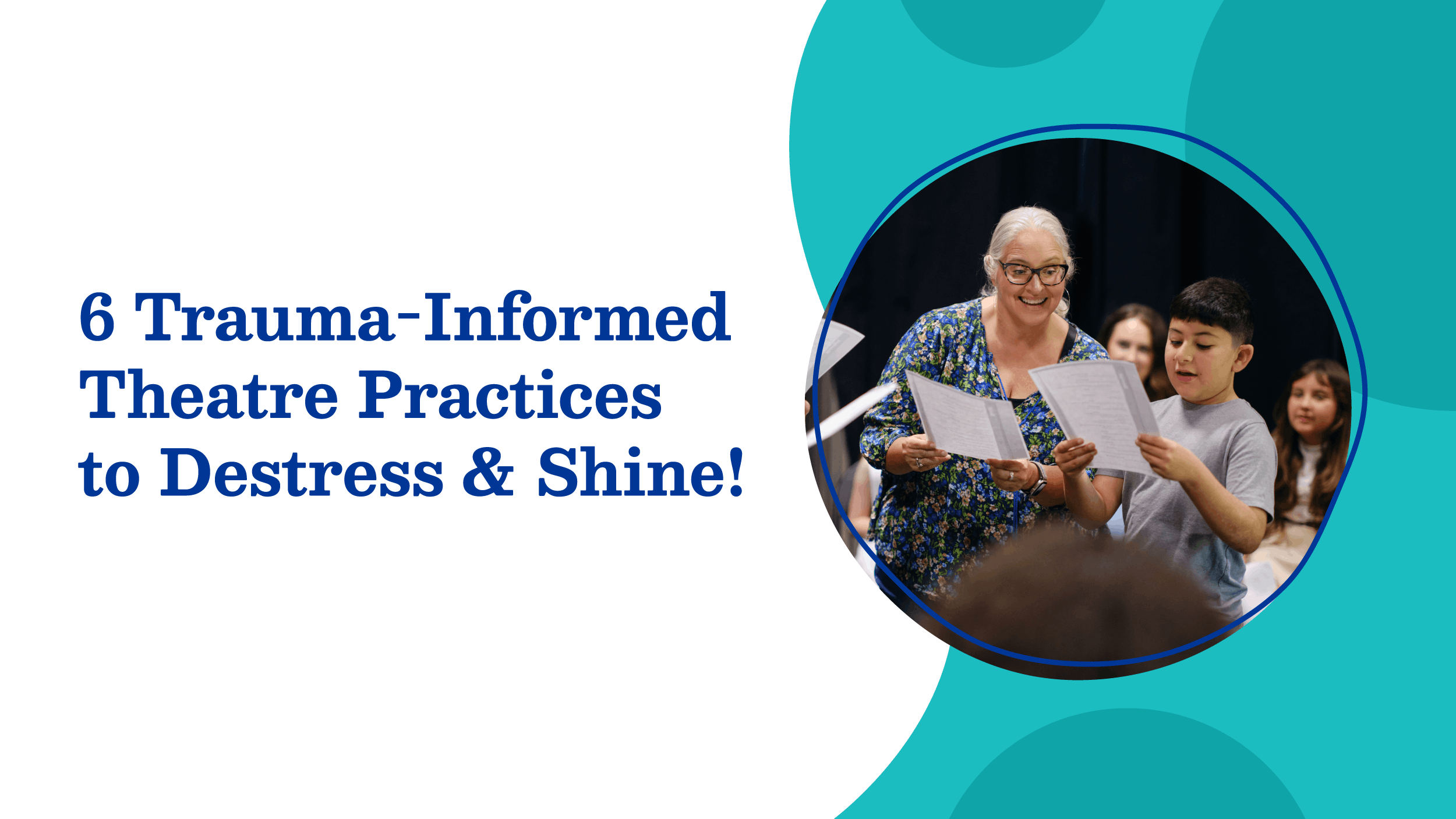
It’s Time to Shine: 6 Trauma-Informed Theatre Practices to Ease Stress
It’s Time to Shine: 6 Trauma-Informed Theatre Practices to Ease Stress
By Jennifer Wienke, Trauma-Informed Educator Fairbanks, Alaska
It’s National Stress Awareness Month, and as a trauma-informed theater educator at the Fairbanks Academy of Community Theatre (FACT) in Fairbanks, Alaska, it’s the perfect time to share strategies to help mitigate youth and family stress.
“Life-changing” is a word communicated to the FACT team often in emails, social media posts, and in the area on an audition form that asks for additional information to work better with families. These are words we deem common in our work.
But for the families we work with? It is life-changing.
Before diving into trauma-informed practices, I want to share a story of a 14-year-old student we work with. After a summer camp two years ago, we received a thank-you card signed by an entire family (mom, dad, and big brother). Their child was in our week-long camp and was a new face for us. He was a quiet student who didn’t speak to us or others, but that’s common in the theater world. Everyone needs time to settle in before their light gets to shine. What we didn’t know was that he was nonverbal and didn’t speak until well into middle school, and after, only spoke to family and close friends.
This was the moment we realized the value of our work and how it affects the people in our world.
6 Trauma-Informed Theatre Practices
Trauma-informed theater practice is the backbone of my organization in Fairbanks. We provide a safe space for all students and families, meeting everyone where they are while exploring the arts. When my partner and I began our company, we designed every facet with the mindset of what we wanted in a youth program growing up — a place that could give us a chance to explore theater and feel safe and nurtured when our homes did not provide the support we needed.
In each of our programs, we focus on developing connections, fostering a predictable environment, creating a strong sense of belonging, and building self-esteem for the youth we serve. We work extensively on confidence-building interactions, and we understand that everyone has a story. Our students, of all ages, come to us with past traumas. Our job is to create a safe space that resists retraumatization.
In my presentation, “Act It Up”: Trauma-Informed Theater Practices for Every Classroom, we walk through a typical rehearsal and explore how intentional practices can help students combat and manage stress, including:
A predictable schedule and routine to create stability
Warm welcomes to help every student feel seen and heard
Regular emotional check-ins to support self-awareness and regulation
Clear communication and choice, including opportunities to ask questions and opt out if needed
Tools for success, such as a cast website for each program, with resources to build confidence throughout the project
Thoughtful daily reflections to help students recognize their growth and take pride in their contributions
How Harmony Supports My Community
Harmony Academy resources have been pivotal in helping our process, especially when working with our teen mentors as directors in training or camp mentors. Our mentors always have Quick Connection Cards ready in their badge holders to help campers build connections, resolve conflicts, or offer brain breaks. Since our programs all take place outside of the school day, we utilize Harmony Out-of-School Time (OST) lessons in our work, especially with our youngest cast members. Even the Harmony mascot Z has been seen perched on our light board or hanging backstage in a youth production for a quick hug if needed!
Stress and anxiety can peak at this time of year, especially with state testing approaching. Many parts of the trauma-informed approach can help families and educators by providing easy-to-implement tools with social, personal, and academic learning concepts. With a focus on belonging, clear communication, and brain breaks, stressful days can be more manageable for everyone.
A Life-Changing Transformation
It has been two years since the 14-year-old nonverbal student came to us. Since that time, he has had three leading roles and tons of ensemble roles, has become a camp mentor, and learned how to do sound and instruct small youth groups. On our most difficult days, we think of these stories, and we are inspired all over again.
Whether it’s Stress Awareness Month or any other time, always remember to power through, knowing we must continue offering tools for every person to find their “shine”.
Jennifer Wienke is the current program development coordinator for Out-of-School programming in the Fairbanks North Star Borough School District. In her time off, she is the owner and director of the trauma-informed theater company, Fairbanks Academy of Community Theater. Jennifer is a proud member of the Harmony Educator Advisory Group.
The Air We Breathe: Why Psychological Safety Is the Foundation for Success in Schools
The Air We Breathe: Why Psychological Safety Is the Foundation for Success in Schools
By: Dr. Ruby Ababio-Fernandez
Imagine a school where teachers arrive early, work tirelessly, and care deeply about their students. The energy feels warm, even friendly. But underneath, something is missing.
The culture is congenial, not collegial. People prioritize being nice over being honest. When feedback happens, it’s often softened to maintain one another’s comfort. A teacher might say, “We know it’s hard and we’re all doing the best we can.” Another might say, “They observed me today, I’m not sure what they thought,” and no one probes further. Staff meetings are more call-and-response than dynamic exchanges. Heads nod in agreement, but hard questions stay unspoken.
Everyone is “doing the work,” but few stop long enough to critically name what isn’t working or to take creative risks. The result is a nice compliance that looks like harmony but actually masks a culture devoid of growth and progress.
This is what a lack of psychological safety looks like. The absence is subtle but powerful, a tightening in the air that limits curiosity and suppresses learning.
Psychological safety is the shared belief that within our community, it’s safe to take risks, ask questions, share feedback, admit mistakes, or challenge ideas without fear of embarrassment or punishment because who we are and what we bring here matters. It’s what makes innovation, trust, and genuine learning possible. Without it, people perform tasks, but transformation never happens.
In education, psychological safety is far from a nice-to-have; it’s an absolute must! It’s a structural condition that determines whether learning, equity, and excellence can thrive. When educators feel safe, they engage in honest reflection. They test new ideas and co-create a curriculum that honors diverse voices and experiences.
3 Ways Leaders Can Cultivate Psychological Safety in Turbulent Times
Make Psychological Safety a Design Principle, Not a Slogan
Leaders can’t simply declare that a school is safe, they must intentionally design for it. This begins with structures that invite reflection, dialogue, and learning from failure and experience. Protecting time for check-ins, debriefs, inquiry cycles, and feedback sessions where the goal isn’t evaluation, but shared growth. When leaders model curiosity and transparency, saying, “Here’s what I’m learning,” or “I missed that, let’s revisit it” they actually normalize imperfection and create permission for others to grow. This further models the structures and routines that educators implement in their classroom for students like community circles (see Harmony’s Meet Up practice).
Build Structures for Collaboration, Not Competition
In schools that thrive, adults learn together. They observe one another not to judge, but to discover. They analyze data collectively, not defensively. They challenge ideas, not people. They ask, “What are we not seeing?” and they do so not to assign blame, but to learn together.
Leaders can strengthen this culture by creating learning communities and protocols that encourage shared accountability where educators hold one another to their dreams, not just their duties. True collaboration replaces quiet compliance with dynamic engagement. Using quick community building activities, like Harmony’s Quick Connection Cards can help adults begin to safety and comfort in working together.
Attend to the External Pressures That Spill on Internal Climate
Today’s educators navigate a complex world. We are living out policies that are leaving real impact, including deep fear of physical safety and wellbeing that makes conversations about who we are individually, culturally, and socially feel risky. Diminishing resources continue to stretch emotional capacity thin. These external forces seep into school culture and can erode energy, confidence and trust. Leaders who name these pressures out loud, who make space for empathy, context, and humanity help staff feel seen and supported. Safety grows when people know their realities are acknowledged, not ignored.
When leaders commit to these practices, schools become what they were always meant to be: Places where adults and students can breathe, belong, and be brave together.
Psychological safety doesn’t make the work easy; it makes the work possible, even in turbulent times. When people feel safe enough to be real, they also feel safe enough to learn. And that’s where transformation begins — with the courage to show up as our full selves, together!
About Dr. Ruby Ababio-Fernandez
With an unyielding commitment to transforming the lives of adults, children, communities, and school systems, Dr. Ruby brings over 23 years of experience in education and leadership. She has held multiple senior roles, including Associate Vice President for Equity and Leadership Development at the New York City Leadership Academy (NYCLA), Deputy Superintendent, Senior Executive Officer, and Chief Strategy Officer for the New York City Department of Education. She currently serves as Superintendent in Residence at McGraw Hill, where she continues her mission of advancing learning outcomes, leadership, and systemic transformation.