
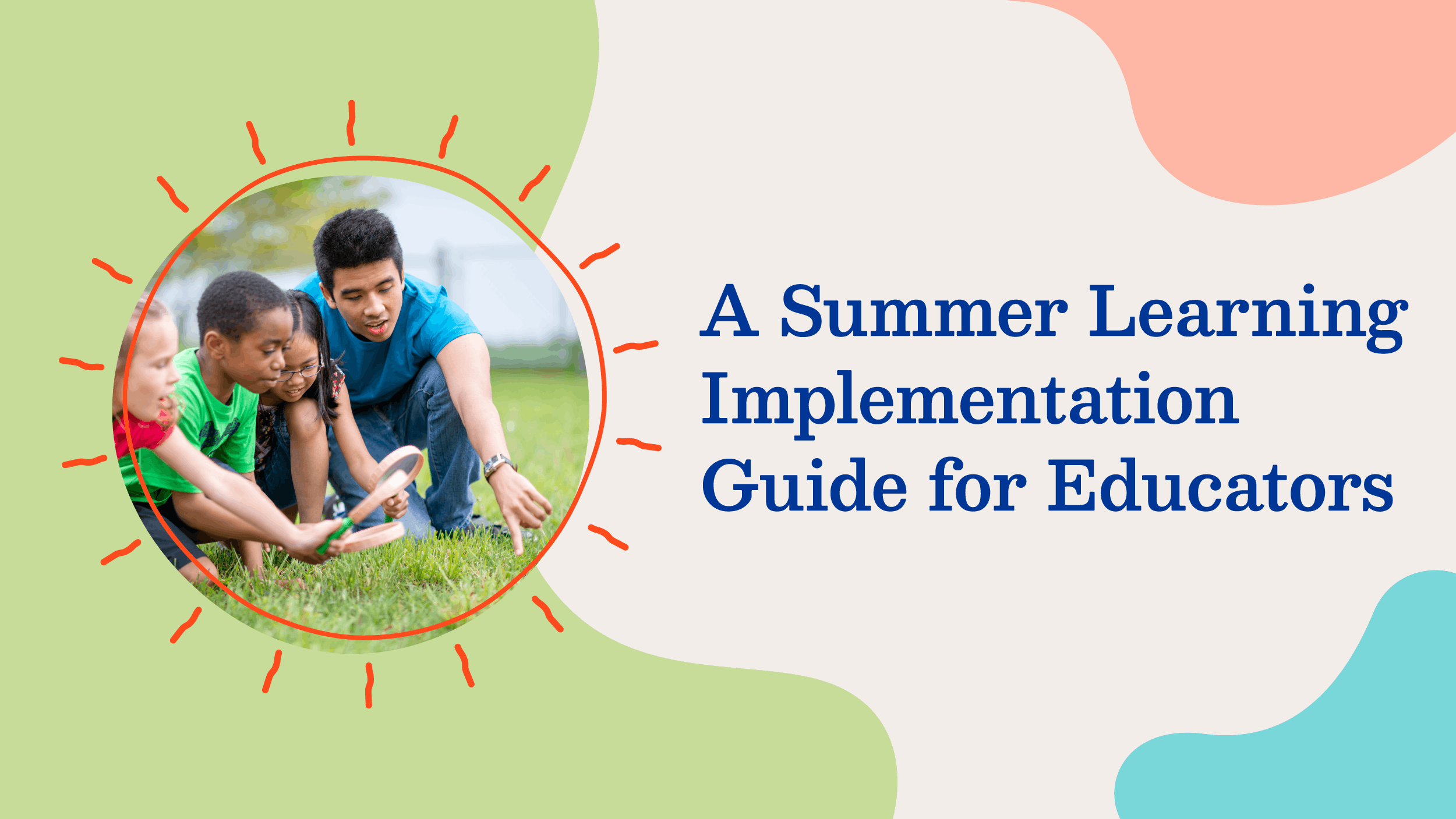
Summer learning offers an opportunity to do more than keep students engaged. It’s also a chance to create learning environments where every student feels accepted, valued, and connected to their peers and teachers — the very definition of belonging within a school community.
Belonging research shows that students who feel a strong sense of belonging are more likely to participate, take academic and social risks, and persevere through challenges (Walton & Cohen, 2007). As a result, their learning and achievement outcomes improve (Fisher et al., 2025)!
Intentionally creating learning spaces where students feel they belong not only ensures they experience an enriching summer of learning, but can also inspire them to carry that momentum into the new school year.
The Harmony Curriculum Summer Implementation Guide is your map for building that sense of belonging from day one. This guide centers the three main elements of Harmony Curriculum Everyday Practices — Harmony Goals, Meet Up, and Buddy Up — as well as the mini lessons.
The turnkey lessons provide step-by-step instructions and scripting to easily incorporate belonging practices into your summer school curriculum. You will be equipped to foster harmonious student relationships that strengthen their sense of community and drive meaningful learning outcomes.
Why Use Harmony This Summer?

Foster Belonging: Build community with students from day one using relationship-focused practices.

Promote Collaboration: Help students work better together through structured, engaging peer interactions.

Support Educator Wellness: Join our June and July live online training sessions for teacher self-care and well-being.
Explore the Free Lessons Here:
What’s Included?

Asynchronous Harmony Curriculum Summer Implementation Training

Recommended Harmony Curriculum Summer Implementation Plan Schedule
5-Week Harmony Academy Summer Curriculum Implementation Plan Schedule (10–12 minutes per day)
Associated Harmony Academy Resources
Contact Harmony@nu.edu with any questions.
References:
Fisher, D., Caverly, S., Blanc-Gonnet, M., & Yoder, N. (2025). Belonging as a core condition for learning. [White Paper]. Harmony Academy at National University. https://harmony-academy.org/wp-content/uploads/2026/03/BelongingCoreConditionforLearning.pdf
Walton, G. M., & Cohen, G. L. (2007). A question of belonging: Race, social fit, and achievement. Journal of Personality and Social Psychology, 92(1), 82–96. https://doi.org/10.1037/0022-3514.92.1.82
Originally published 05/14/2025. Update on 05/14/2026